Low-Water Planting for Busy Households
Low-water planting is a design decision, not a list of tough plants. How to build soil, group thirsty plants together, and water less without losing the garden.
Every summer has a week when watering stops being a pleasant evening ritual and becomes a second job. That is usually the week people decide they are bad at gardening, when the real problem is a planting scheme that assumes unlimited water. Low-water planting is not gravel and cacti but a set of decisions about soil, grouping, and mulch that let a garden coast through August on very little help.
This post contains affiliate links. If you buy through them, we may earn a commission at no extra cost to you. Read our Affiliate Disclosure.
The plants matter less than most people expect. A drought-tolerant plant in poor, compacted soil and full sun still struggles; an ordinary shrub in good soil with a generous mulch layer can go two weeks without attention.
Start with the soil, not the plant list
Water disappears in two ways: it runs off hard ground before it soaks in, or it evaporates from bare soil before roots can use it. Both are fixable before you buy a single plant. Fork over compacted beds to open the surface, and work in two or three inches of compost across the top rather than digging it deep. Compost improves both heavy clay and thin sandy soil, and it raises the amount of water a bed can hold after rain.
Then mulch, and mulch properly. Two to three inches of bark, leaf mold, or composted wood chip over the soil surface cuts evaporation sharply and keeps the soil temperature steadier. Keep the mulch a hand's width clear of stems and trunks, and top it up in spring when it has broken down. This is the single highest-return job in a low-water garden, and it takes an afternoon.
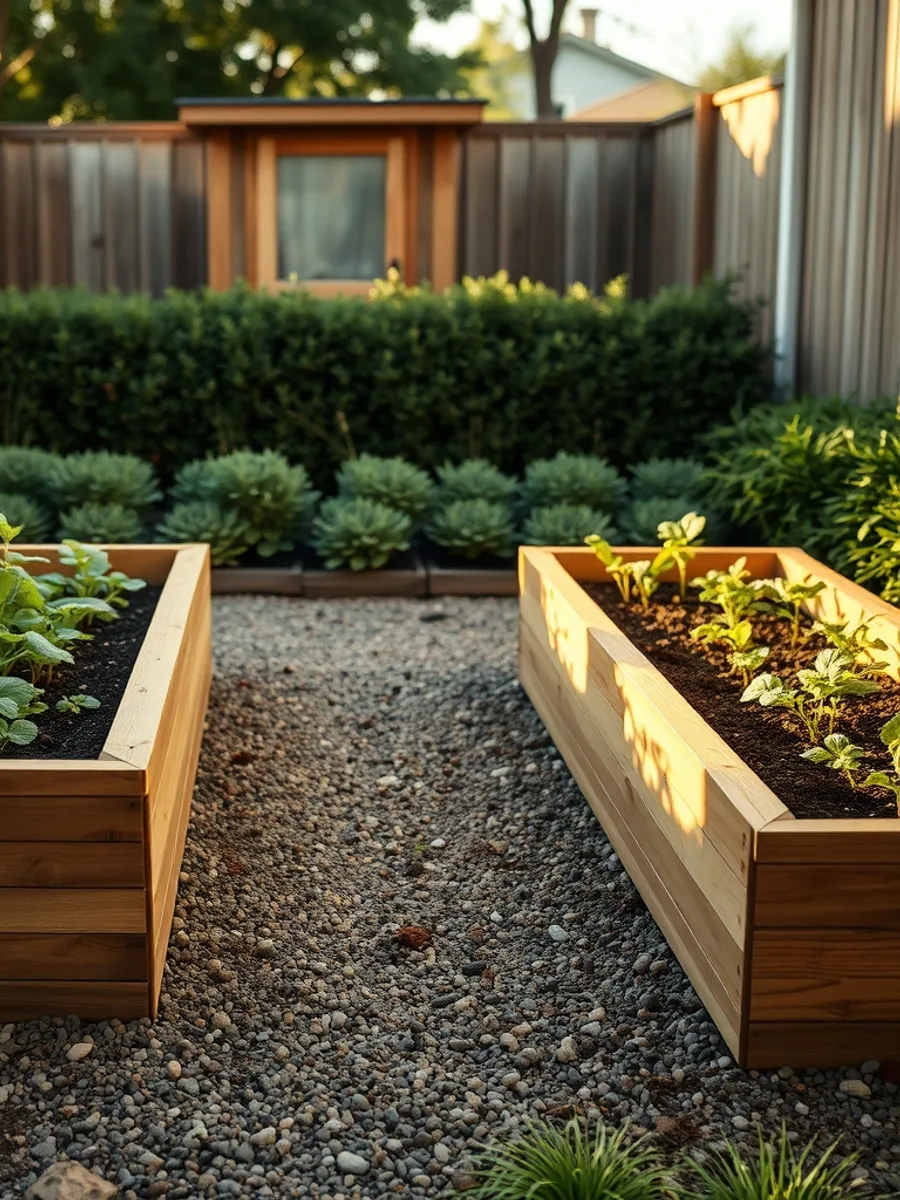
If you are planting into beds you are building from scratch, the shape of the bed matters too. A raised bed layout that holds water in the soil rather than shedding it off the sides will save you more water than any plant choice.
Group plants by thirst, not by color
A garden is not one climate. The strip against a south wall bakes; the corner under a tree stays cool and damp. Grouping plants with similar water needs — sometimes called hydrozoning — means you can water one area heavily and leave another alone, instead of soaking everything to reach the thirstiest plant.
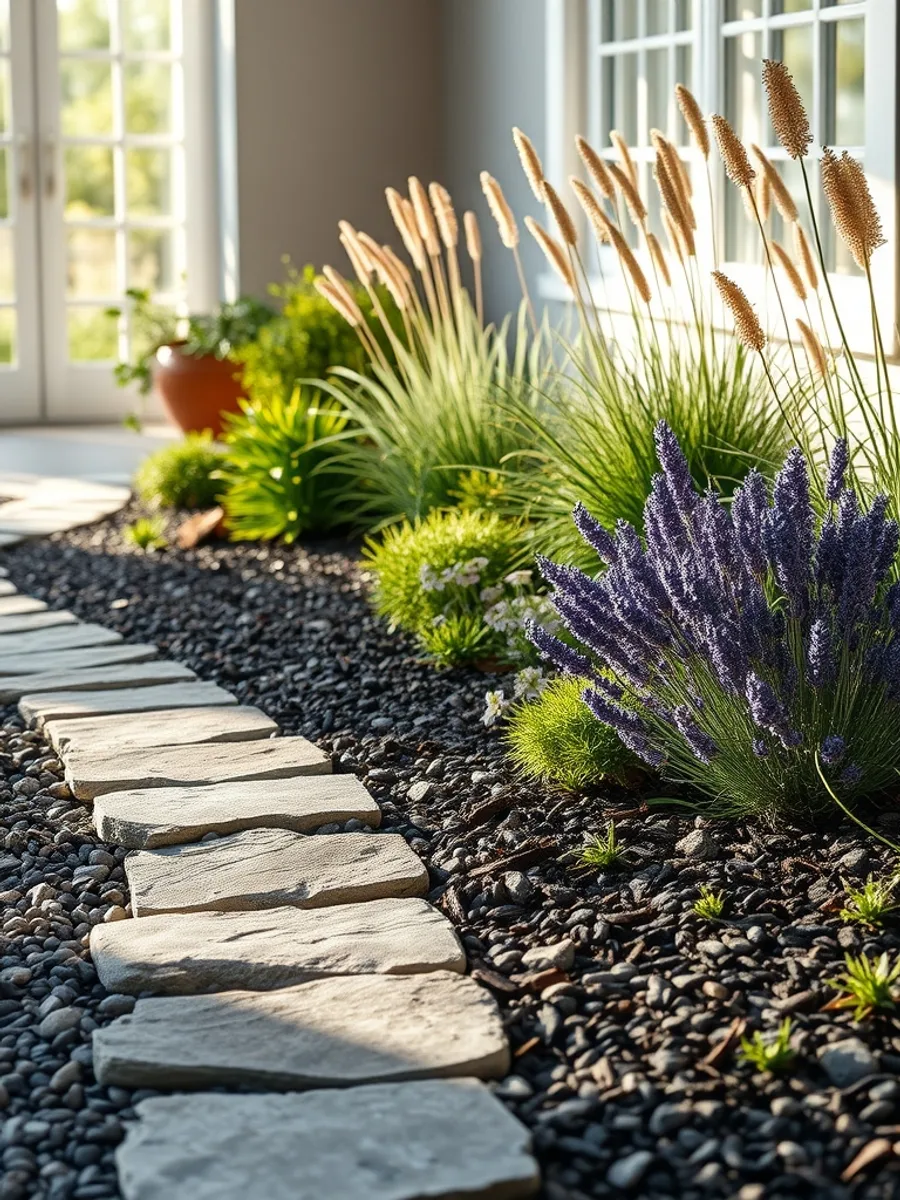
Put the lavender, rosemary, sedum, yarrow, gaura, and ornamental grasses together in the hottest, sharpest-draining spot. Put ferns, hostas, and moisture lovers in the shade or at the low point where water collects. Keep the in-between plants — most shrubs, perennials, and ornamental trees — in a middle zone that gets water only in dry spells. Once a bed is zoned this way, the irrigation question becomes much smaller: you are watering a strip, not a garden.
The first summer is not the same as the tenth
New plants need help. Even drought-tolerant species grow the deep roots that make them resilient only after a season or two in the ground, so plan to water new plantings thoroughly in their first summer, then ease off. Water less often and more deeply, which pushes roots down rather than encouraging them to sit near the surface. By the second or third year, most established borders should need water only in a genuine drought.
What to check before you buy
A short list to run through, whether you are buying plants or equipment:
- The plant's sun and drainage requirements, not just its water rating
- Whether it is listed as drought tolerant once established, which is different from drought tolerant in a nursery pot
- Your soil's drainage, tested by digging a hole and filling it with water
- Whether the bed already has irrigation, and whether it can be zoned
- The mature spread, so plants can shade their own soil as they fill in
- Whether the plant is native or adapted to your region, which usually means less fuss
Equipment that earns its place
A hose and a watering can will get a small garden through most summers. Beyond that, a few inexpensive items make a real difference, and none of them requires you to replan the garden.
Four pieces of equipment do most of the work. A drip irrigation kit for beds and borders delivers water at the roots with little evaporation; look for one with enough emitters and a pressure regulator. A soaker hose is the simplest retrofit for an existing border, weeping along its length and disappearing under mulch. A hose timer turns either of them into a system you can leave for a week, so check whether it takes batteries and how many programs it runs. And a moisture meter is a cheap way to stop watering on instinct; read it at root depth, not at the surface.
The temptation with irrigation is to automate more than you need. A timer that runs a soaker hose twice a week in July is useful; a system that waters daily whatever the weather trains roots to stay shallow and wastes water in a wet August.
A word on pots
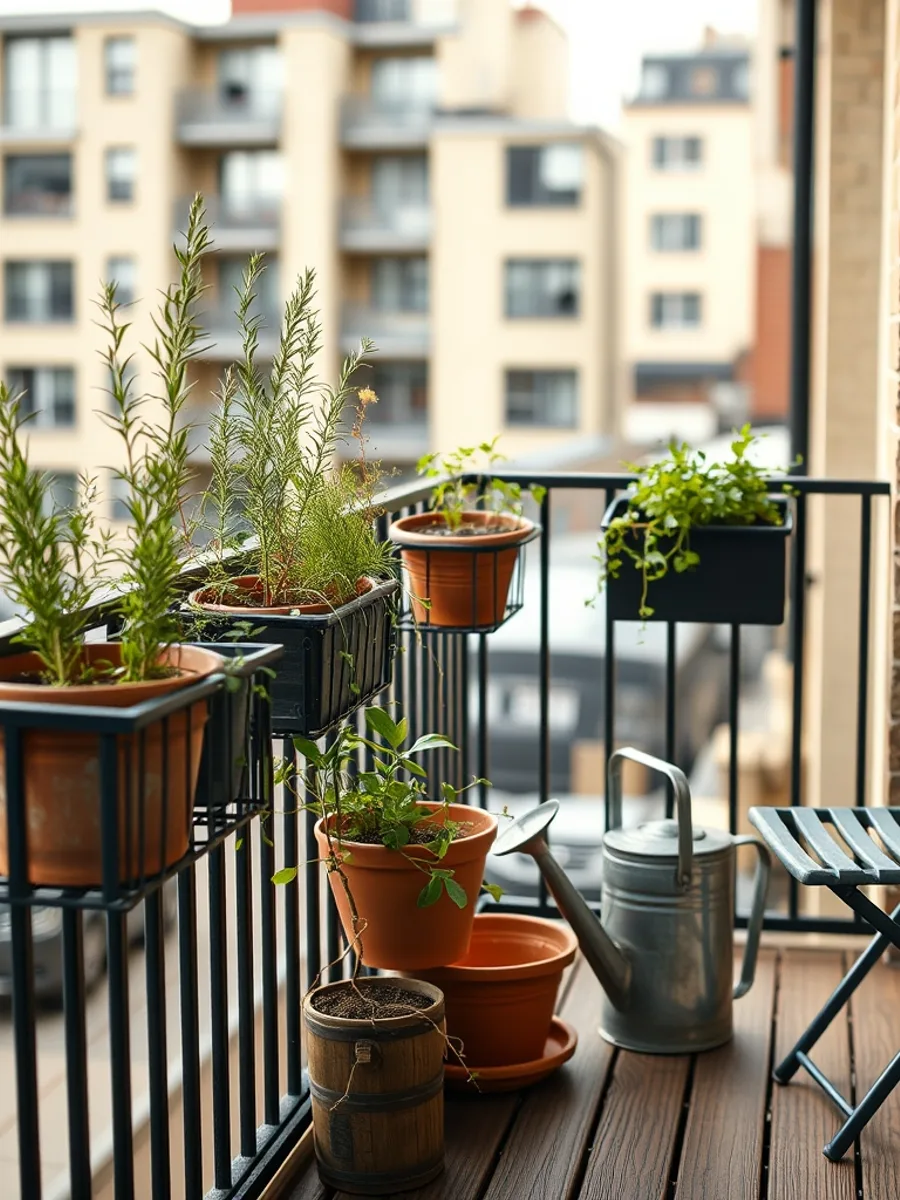
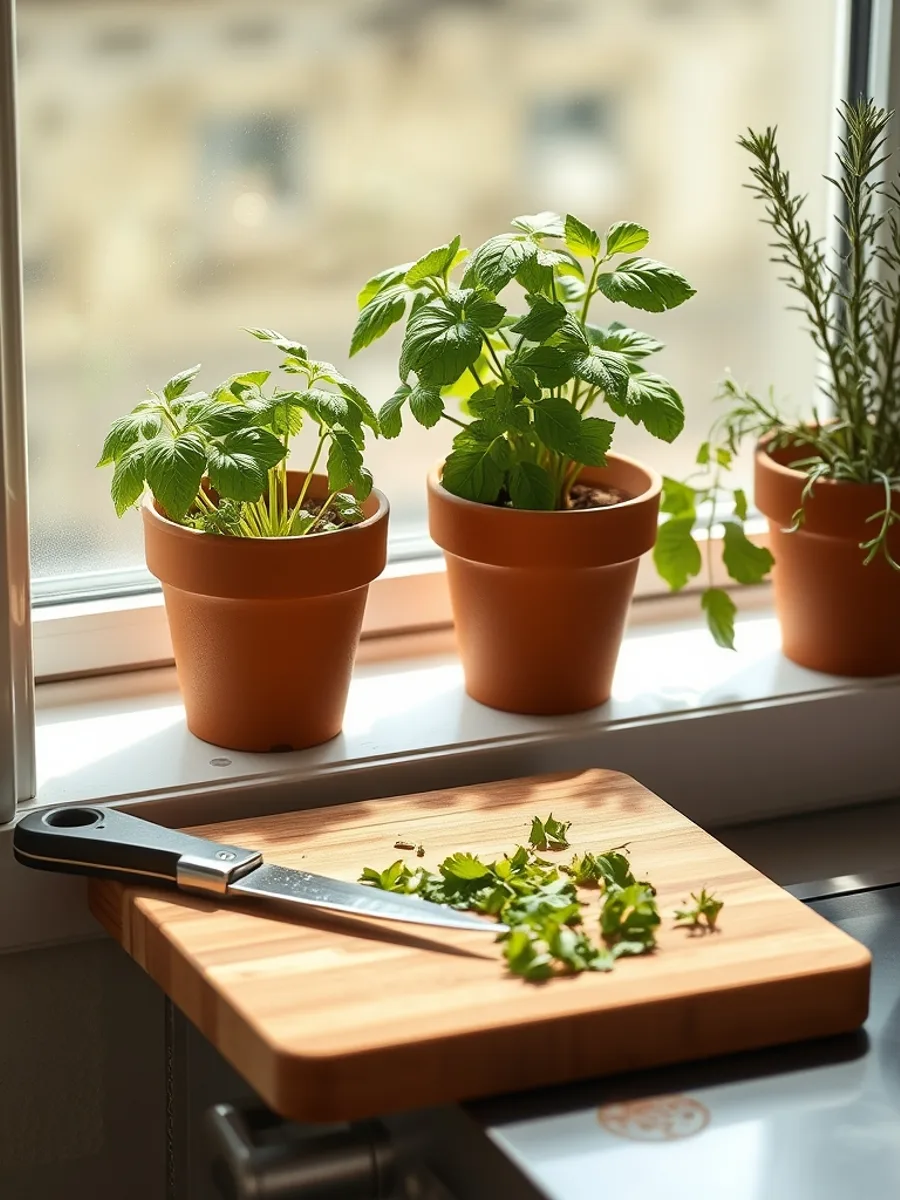
Containers dry out faster than any bed, so they are the wrong place to test a low-water scheme unless you choose the plants and the pot together. Terracotta breathes and dries quickly, which suits rosemary and lavender but punishes basil. If containers are part of the plan, our guide to container planters covers size, mix, and drainage in more detail.
FAQ
How often should I water a low-water border?
Deeply and infrequently. In a normal summer, an established border mulched to two or three inches may need water every ten days to two weeks in dry weather, and none at all in a wet spell. Check the soil at root depth with your hand or a meter before watering.
Which plants are genuinely low water once established?
Lavender, rosemary, sedum, yarrow, gaura, agastache, ornamental grasses, and most Mediterranean herbs are reliable in full sun and sharp drainage. Most need a full first summer of regular water before they count as established.
Does mulch really reduce watering?
Yes. A two- to three-inch layer of organic mulch keeps the soil surface cooler and slows evaporation, which is why mulched beds usually need less frequent watering than bare ones. It also suppresses weeds that compete for the same moisture.