A Kitchen Herb Garden That Gets Used
Most kitchen herb gardens fail because they are decoration first. How to choose four herbs you cook with, give them enough light, and keep them producing.
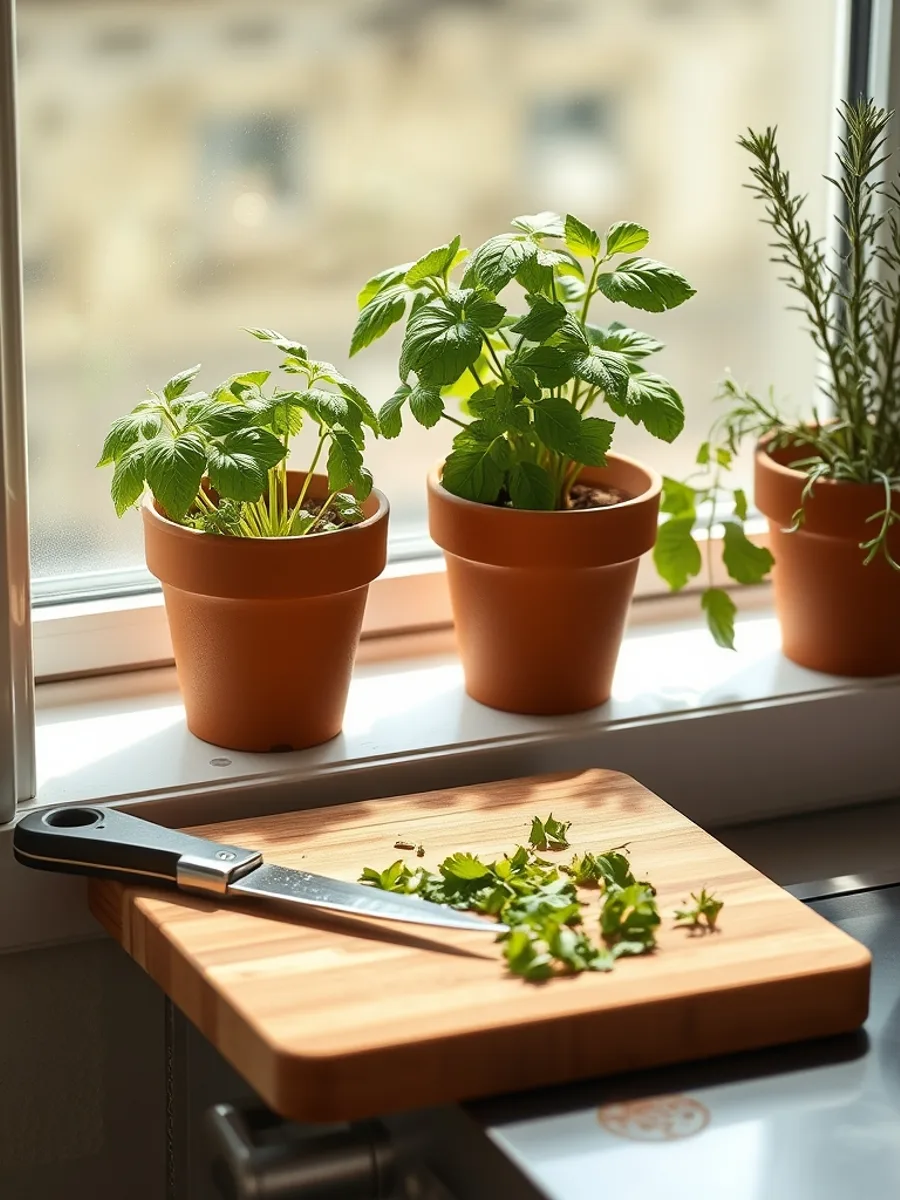
Kitchen herb gardens usually die of neglect in a specific way: they are bought as a styling object, placed where they look good, watered when someone remembers, and harvested never. The plants that survive are the ones treated as a crop — positioned for light, cut regularly, and chosen because the household actually cooks with them.
This post contains affiliate links. If you buy through them, we may earn a commission at no extra cost to you. Read our Affiliate Disclosure.
That reframing solves most of the problem before you buy anything. Four herbs you use weekly will outperform twelve you admire.
Choose from the meals you cook
Start with a week of ordinary cooking and count what you reach for. If the answer is basil, parsley, cilantro, and mint, grow those. Rosemary, thyme, and sage are woody and slower, better in a sunny spot that stays put than on a sill you are constantly rearranging.
Three or four pots is a realistic kitchen garden. More than that and watering becomes a chore, which is the point at which herbs get abandoned. If you cook a lot of one cuisine, weight the selection toward it: parsley and mint for Middle Eastern cooking, basil and thyme for Italian, cilantro and mint for Southeast Asian.
Light is the limiting factor
Culinary herbs want sun, and a kitchen windowsill is often the darkest spot in the house — behind glass, under a cabinet, facing the wrong way. Most herbs need roughly six hours of direct light to grow thick and flavorful. On a north-facing sill, even a healthy plant will stretch, pale, and stop producing.
Two honest options. Put the herbs where the light actually is, even if that means a side table or a shelf near a south or west window, and carry them to the sink to water. Or supplement with a small LED grow light on a timer, which is the more reliable answer for a dark kitchen and costs little to run.
The grocery store pot problem
A pot of basil from the grocery store is not one plant. It is a dozen seedlings crammed into a pot to look full, which is why it collapses within two weeks however well you treat it. Either divide it into two or three pots immediately, separating the seedlings gently, or accept it as a cut-and-come-again crop and plan to replace it. Buying a single, sturdier plant from a nursery is usually the better start.
Pots, mix, and drainage
Herbs hate wet feet, and most kitchen herb problems are root problems. Use a pot with a drainage hole and a saucer, and choose a free-draining mix rather than heavy compost. Terracotta is a good default because it breathes, which suits rosemary and thyme especially; glazed pots hold moisture longer and are kinder to basil and mint in a dry kitchen.
Size matters more than people expect. A 6-inch pot is fine for a cut-and-come-again parsley plant and too small for a rosemary that will live for years. Mint is best kept in its own pot regardless, because it spreads aggressively and will crowd out anything sharing its soil.
A set of small terracotta pots with saucers covers most kitchen herbs; look for pots at least five inches across and saucers that hold a real puddle. A bag of free-draining potting mix is a better base than garden soil, which compacts and stays wet. If your kitchen is genuinely dark, a small LED grow light on a timer changes the outcome more than any other purchase.
Keeping them producing
Harvest is maintenance. Cutting the top third of a basil plant above a pair of leaves makes it branch; letting it flower makes it woody and stops leaf production. Parsley and cilantro respond to regular cutting the same way. Rosemary and thyme are slower and should be snipped lightly and often rather than cut back hard.
Water when the top inch of mix is dry, which in a warm kitchen may be every two or three days for small pots and weekly for larger ones. Feed lightly — a diluted liquid fertilizer every few weeks in the growing season. Heavy feeding produces lush, watery growth with less flavor, which defeats the purpose.
Expect to replace annual herbs. Basil, cilantro, and parsley are short-lived by nature; treating their decline as a failure leads people to give up on the whole project. A pair of kitchen snips kept within reach does more for harvest frequency than any elaborate setup.
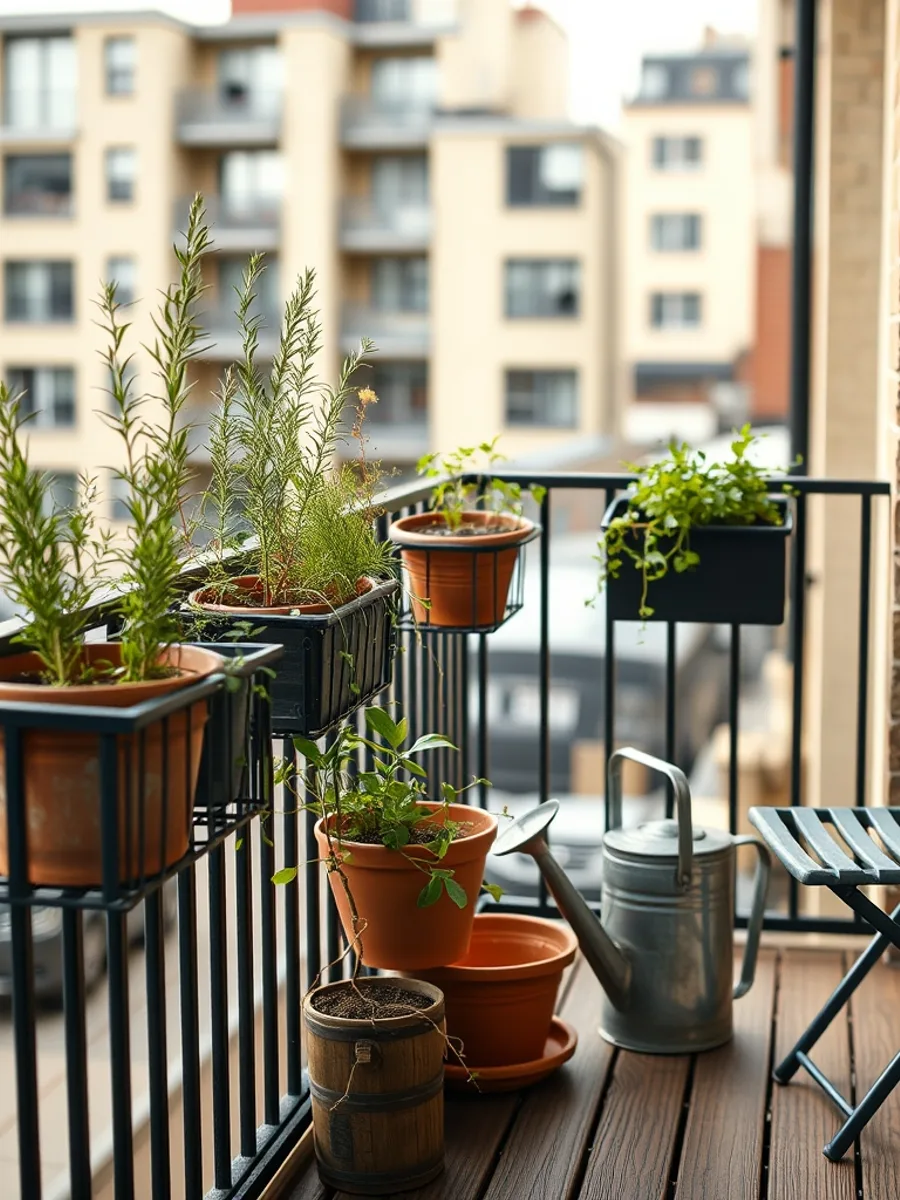
If you are growing on a balcony instead of a sill, the same principles apply at larger scale, and our guide to container planters covers pot size and drainage in more detail. Indoor herbs share a lot with houseplants generally, which we cover in keeping houseplants alive.
What to check before you buy
- Direct sun hours at the spot you have in mind, measured rather than guessed
- Whether the pot has a drainage hole and comes with a saucer
- The mature size of the herb, not the size of the seedling
- Whether the plant is annual or perennial in your climate
- Distance to the sink, which decides how often it gets watered
- Whether the pot will fit under the faucet when it needs a thorough rinse
FAQ
Why does my grocery store basil die so quickly?
It is grown densely in a small pot to look abundant, so the seedlings compete for water and light from the start. Dividing the pot into two or three, or treating it as a short-lived cut-and-come-again crop, gets more from it than trying to keep the original clump alive.
Can herbs grow on a north-facing kitchen windowsill?
Only the shade-tolerant ones, and even those will be slow. Mint, parsley, and chives manage in bright indirect light; basil, rosemary, and thyme need direct sun and will struggle. A small grow light is the practical fix if the sill is the only option.
How often should I water kitchen herbs?
Check the top inch of the mix rather than following a schedule. Small terracotta pots in a warm kitchen can need water every two or three days in summer, while larger glazed pots may go a week. Water until it runs into the saucer, then empty the saucer.