A Seasonal Home Maintenance Checklist
Houses fail on a schedule, and most of it is predictable. A short list of jobs tied to the seasons costs less than the repairs that follow a missed one.
Houses do not fail randomly. They fail in the order the seasons arrive: gutters in October, frozen pipes in January, air conditioning in the first hot week of June. A short calendar of jobs, done before each season rather than during it, is cheaper than any repair it prevents.
This post contains affiliate links. If you buy through them, we may earn a commission at no extra cost to you. Read our Affiliate Disclosure.
Put the year on a calendar
The useful way to plan is by trigger, not by month. There are two dates that matter in most of the country: the week before the heating system comes on, and the week before the first hard freeze. Everything else hangs off those.
Book the jobs into a calendar as repeating events, and keep a single note on your phone listing what was done and when. When you sell the house, that record is worth more than a folder of receipts.
The two dates that matter
Before heating season, you are checking the things that will run every day for five months: the furnace filter, the chimney, the detectors, the draft seals. Before the first freeze, you are protecting water: outdoor faucets, sprinkler lines, hoses, and any pipe in an unheated space.
Spring: water and the roof
Walk the perimeter after the thaw and look at the ground. Stains on the foundation, soft spots in the lawn, and gutters that drip in the wrong place all point to water where it should not be. Clear the gutters, check that downspouts discharge at least a few feet from the wall, and extend them if they dump against the foundation.
Look at the roof from the ground with binoculars rather than climbing. Missing shingles, lifted flashing, and grit in the gutters are the visible signs. If something looks wrong, call someone; a roof inspection costs far less than a ceiling repair.
Service the cooling system before the first hot week, not during it. Replace the filter, clear the condensate drain, and hose off the outdoor condenser coils. An air filter matched to your return vent size is the cheapest maintenance in the house, and the manufacturer's interval is the one to follow.
Spring is also the moment for the small exterior jobs that are miserable in the cold: repairing window screens, touching up paint on sills, and testing outdoor outlets and any ground-fault protection they carry. None of it is urgent in April and all of it is urgent in November.
Summer: the outside and the long jobs
Summer is for the jobs that need dry weather. Seal or stain the deck, repaint trim that has failed, and wash the exterior windows. Check the caulk around windows and doors; a bead that has cracked lets in water and, in winter, cold air.
This is also the season to clear anything that will become a problem in a storm: dead limbs over the roof, loose fence panels, and gutters that have filled with seed heads. If you have a sump pump, pour a bucket of water into the pit and confirm it starts and stops.
Summer is a good time to reseal stone counters and to wash outdoor furniture before it goes into storage. Our notes on patio furniture care cover what different materials need before winter.
Fall: gutters, heat, and the first freeze
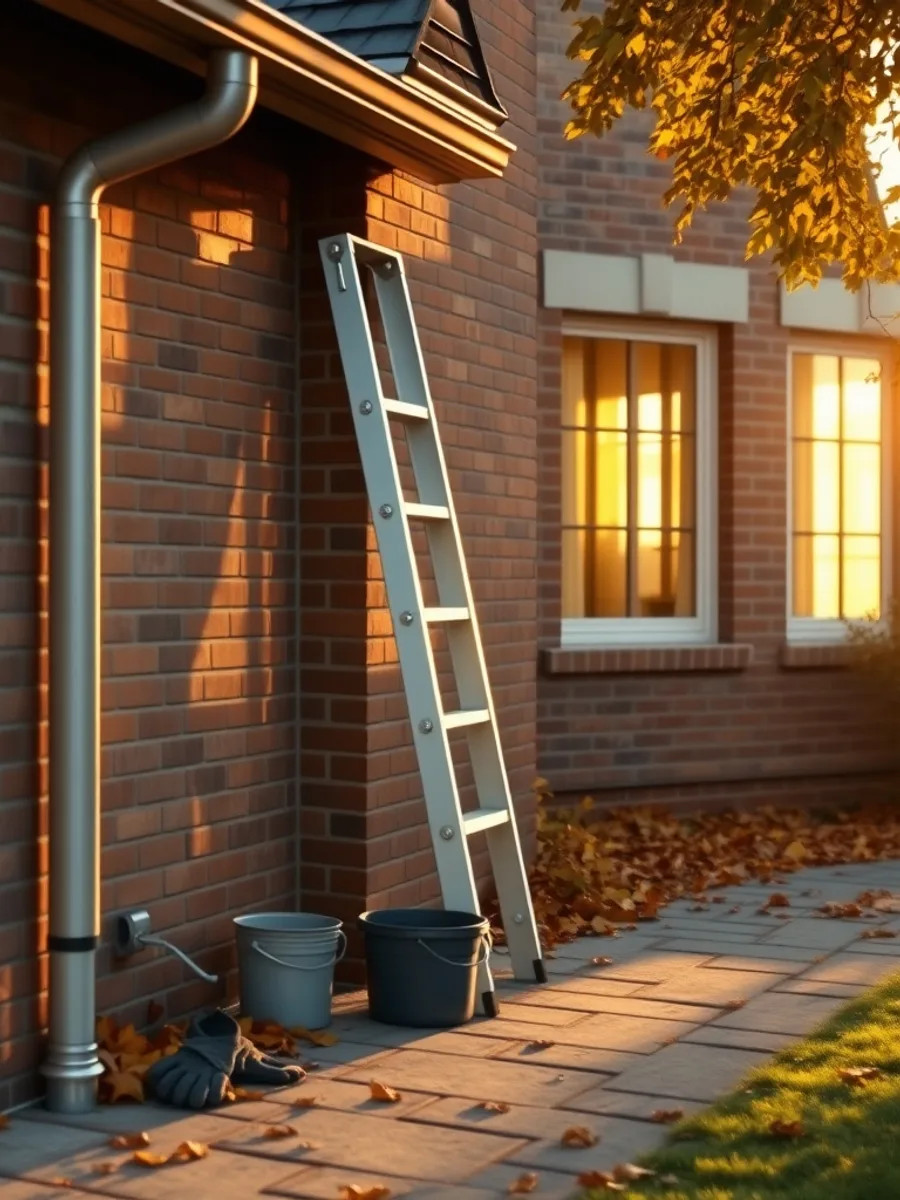
This is the busiest season, and the one that pays for itself. Clear the gutters after the leaves have mostly fallen, then check them again after the first storm. A gutter scoop and hose attachment makes the job shorter and safer than balancing a trowel on a ladder.
Have the heating system serviced, replace the filter, and test the smoke and carbon monoxide detectors. If you burn wood, book the chimney sweep; creosote builds whether or not the fire drew well.
Then protect the water. Disconnect hoses, shut off and drain outdoor faucets if they have their own valves, and blow out irrigation lines. Seal the gaps: weatherstripping on doors, a draft stopper for the gap under a door, and foam gaskets behind switch plates on exterior walls.
Before the cold sets in, look at the attic too. Damp rafters, crushed insulation, and bathroom fans that vent into the attic rather than outside are all things to fix before the cold sets them. Insulation that has been compressed or moved aside stops doing its job, and the fix is often to rake it back rather than to add more.
Winter: pipes, filters, and indoor air
Cold is hard on plumbing and on air quality at the same time. Keep the house above about 55°F even when you are away, open cabinet doors under sinks on exterior walls during a cold snap, and let a faucet drip if the forecast is brutal. Find the main water shutoff now, before you need it.
Change the filter on schedule rather than when you remember. Clean the dryer vent, vacuum the refrigerator coils if they are exposed, and run a descaling cycle on the washing machine and dishwasher if your water is hard. Our guide to removing hard water stains covers the products that do it without damaging the appliance.
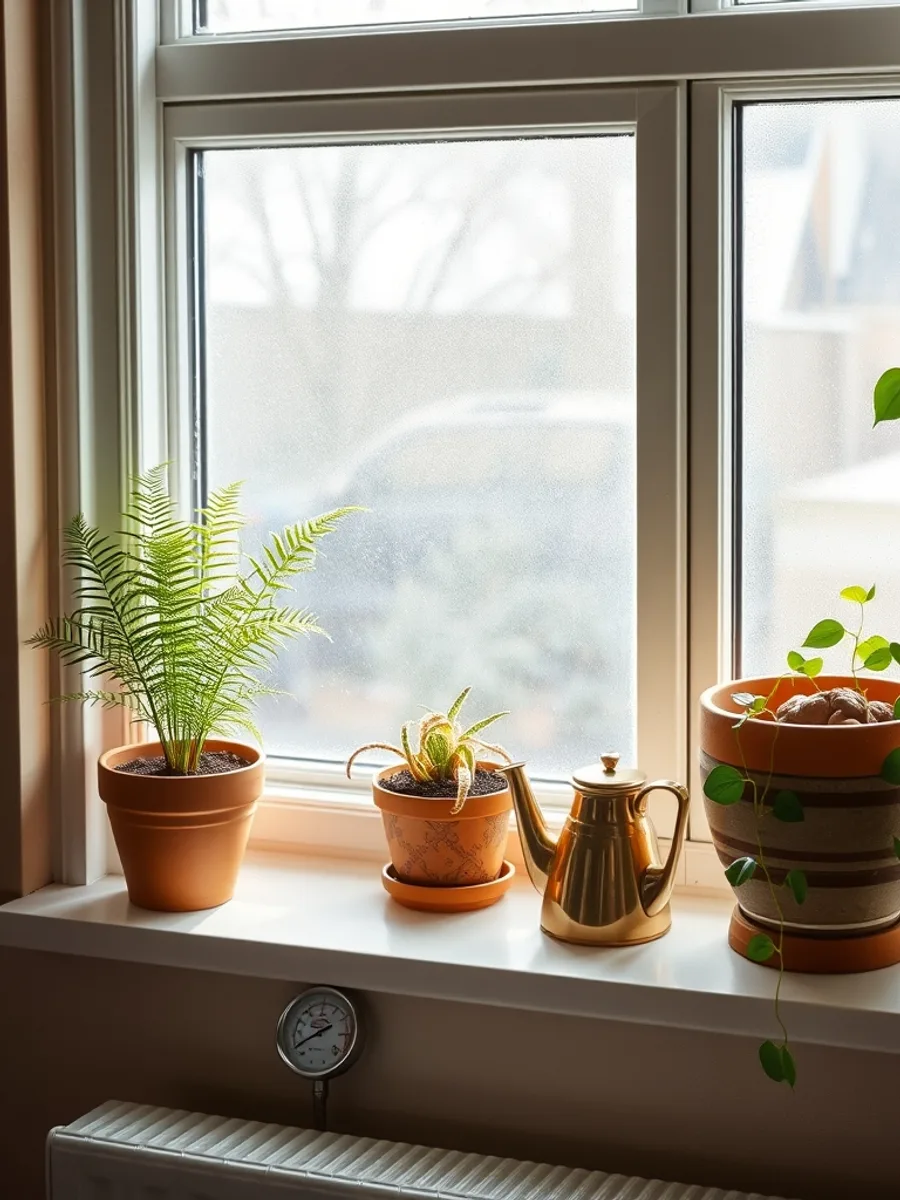
Indoor humidity is the winter number most people ignore. Aim for somewhere between 30 and 50 percent. Below that, wood furniture and floors dry out and open at the joints; above it, condensation forms on cold glass and feeds mold. Run the bathroom fan during showers and the kitchen fan while cooking, and check the humidifier setting rather than leaving it on high all season. Our notes on cleaning and feeding wood furniture explain what dry indoor air does to a finish over a few winters.
What to check every month
- Detectors. Press the test button on each smoke and carbon monoxide alarm.
- Filter. Look at the furnace filter; replace it if it is visibly gray.
- Under sinks. A flashlight, thirty seconds, and a look for staining or soft wood.
- Outdoor drains. Clear leaves from area drains and the tops of downspouts.
- Seals. Check weatherstripping and door sweeps for gaps you can see daylight through.
- Water heater. A quick look for moisture at the base or rust on the fittings.
FAQ
How often should gutters be cleaned?
Twice a year in most climates, in late spring and again after the leaves fall. Houses under trees may need three or four clears, and a gutter guard reduces the frequency but does not remove the job entirely.
Do I really need to flush the water heater?
Yes, once a year for a tank model. Sediment collects at the bottom, reduces efficiency, and shortens the life of the tank. It is a hose, a drain valve, and twenty minutes, and the manufacturer's manual describes the procedure for your model.
What is the single most important job on the list?
The one that protects against water. Gutters, downspouts, caulk, and the shutoff valve for outdoor faucets prevent the damage that insurance is least likely to cover well. If you only do four jobs a year, do those.